
(07/03/2025)
A couple of weekends back I found myself up at the Centre for Computing History (CFCH) on Coldham’s Road, Cambridge — a perfect indoor escape when the weather is not ideal. Here’s a little recap of the visit: the atmosphere, the surprises and why the highlight was absolutely the world’s biggest microprocessor.
Arrival & vibe
The museum isn’t tucked away in the city centre tourist bustle but rather resides on an industrial estate, which gave it a quiet, slightly laid-back feel. It felt like stepping into a hideaway of tech nostalgia.
The moment you step inside, you’re greeted by a great deal of vintage tech to egg on the enthusiasm.
For example the Sinclair ZX Spectrum prototype and a display showcasing ACORN (modern day ARM) computers history.
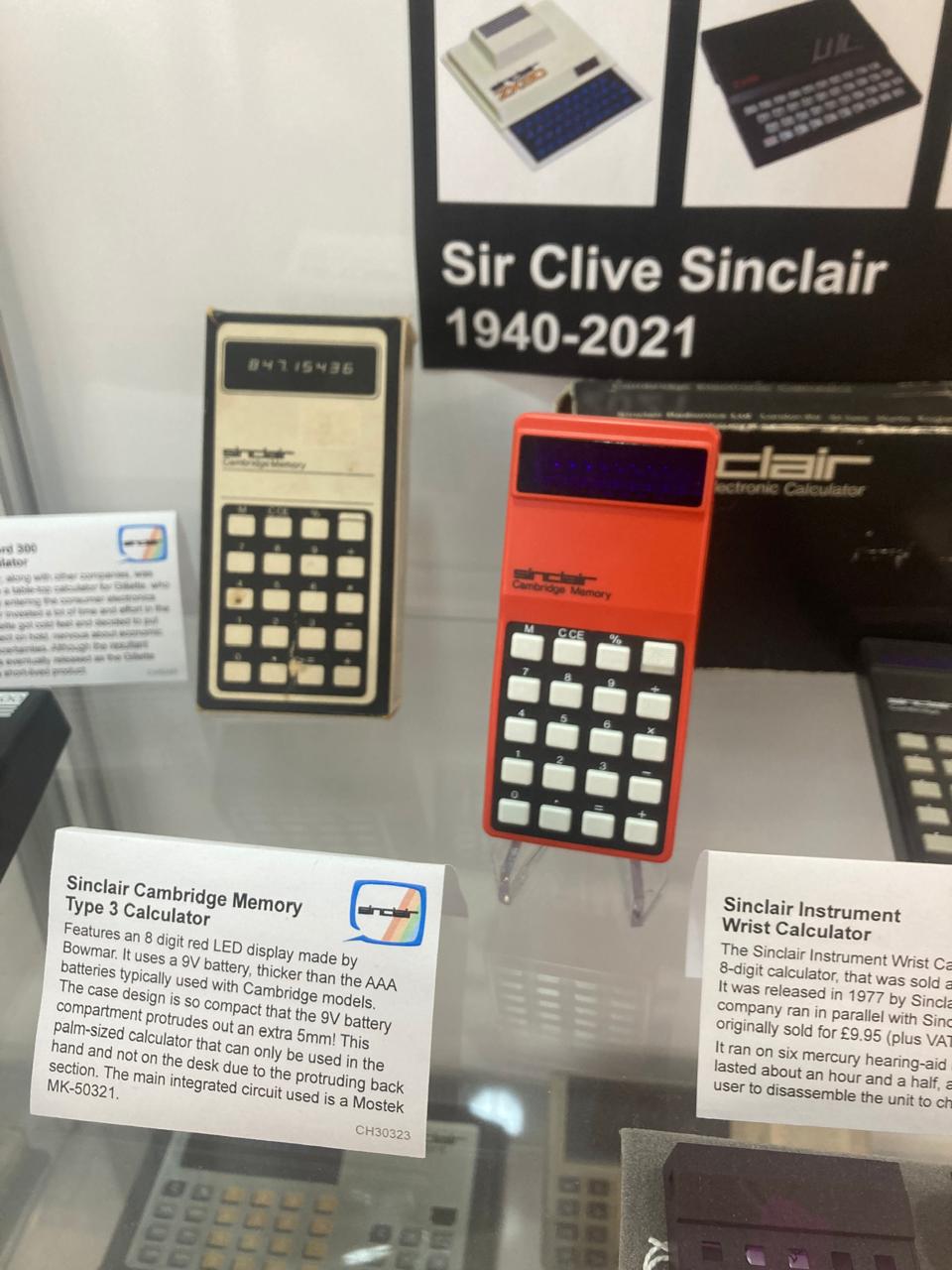
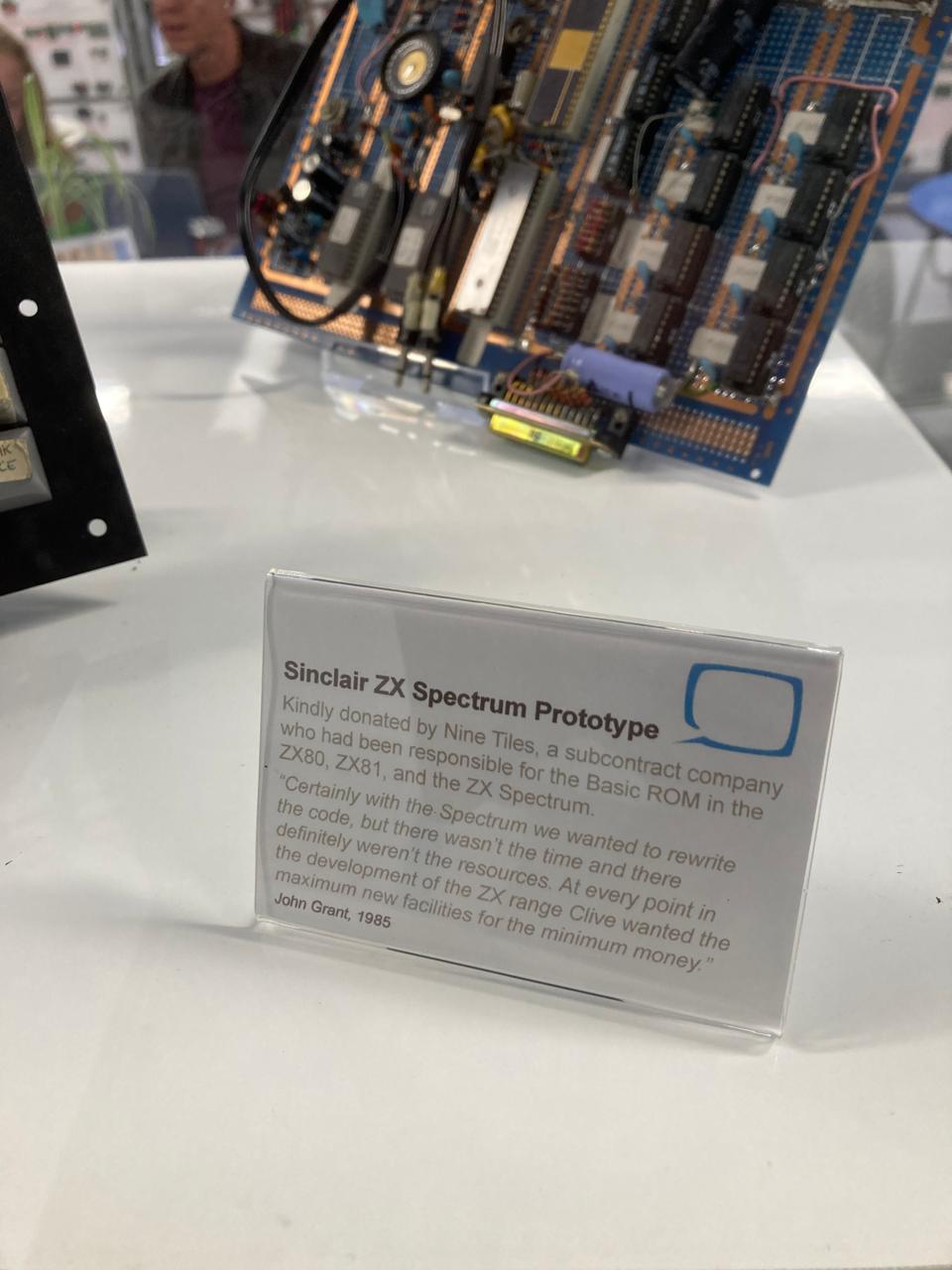
Exploring the exhibits
From early large scale systems to home-computers and video games, CFCH offers a generous overview of computing history. There were working machines, wood-panelled consoles from the cosy 70s, colourful home-computers from the 80s and hardware that made me smile.
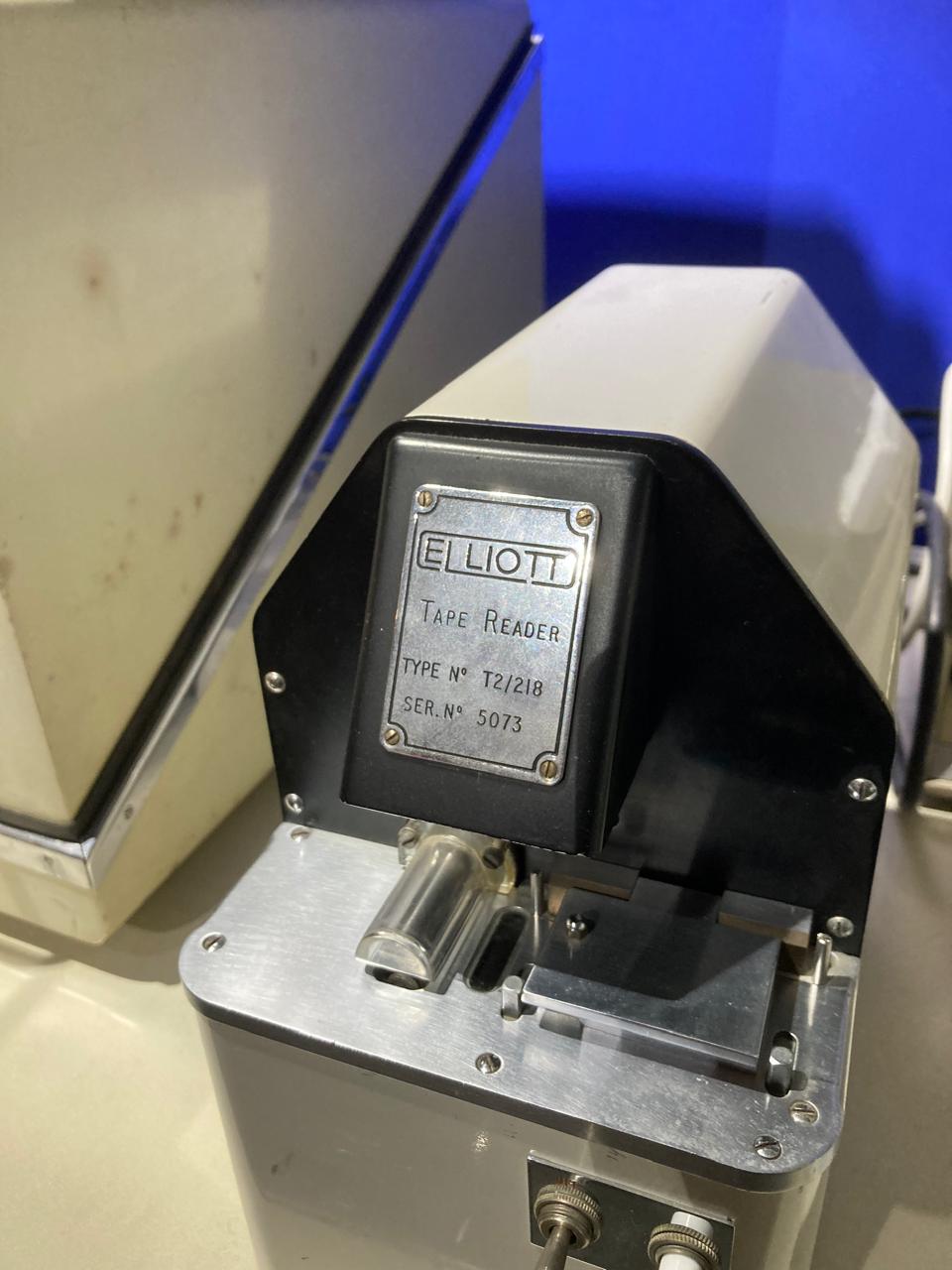
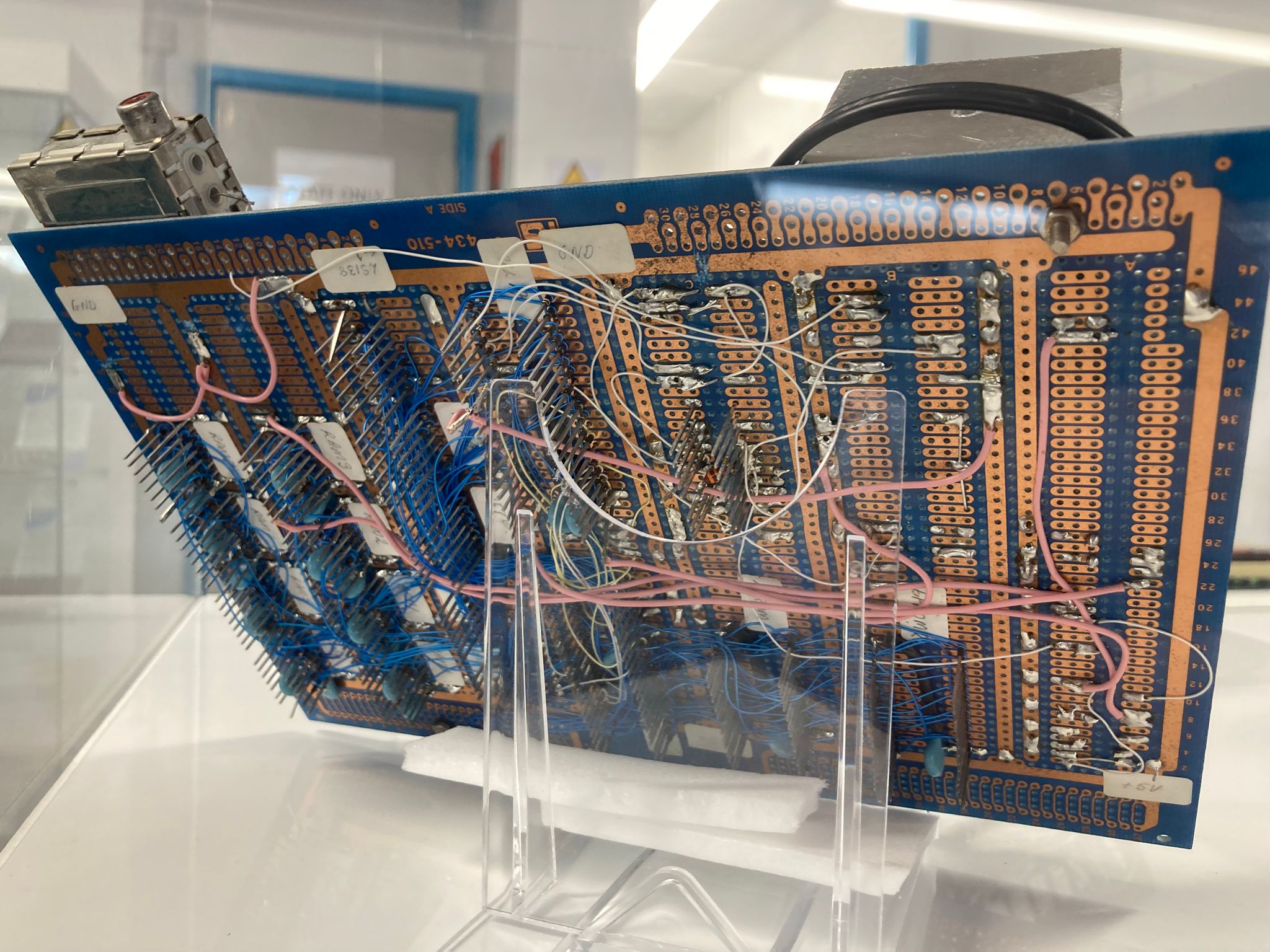
Something that you are not likely to find anywhere else are some of the artefacts from the dawn of computing from names like Elliott and GEC along with some ticker tape samples.
One of the key things I enjoyed was the hands-on nature: you’re encouraged to press buttons, boot screens, explore the physicality of machines rather than just look through glass.
Being someone who started off with home computers from Commodore Amiga from England not IBM PC compatible it was really awesome to find a live running Amiga 1000 and talk with someone about the revival of the Amiga 1200 that I have seen online.
The star of the show: the world’s biggest microprocessor
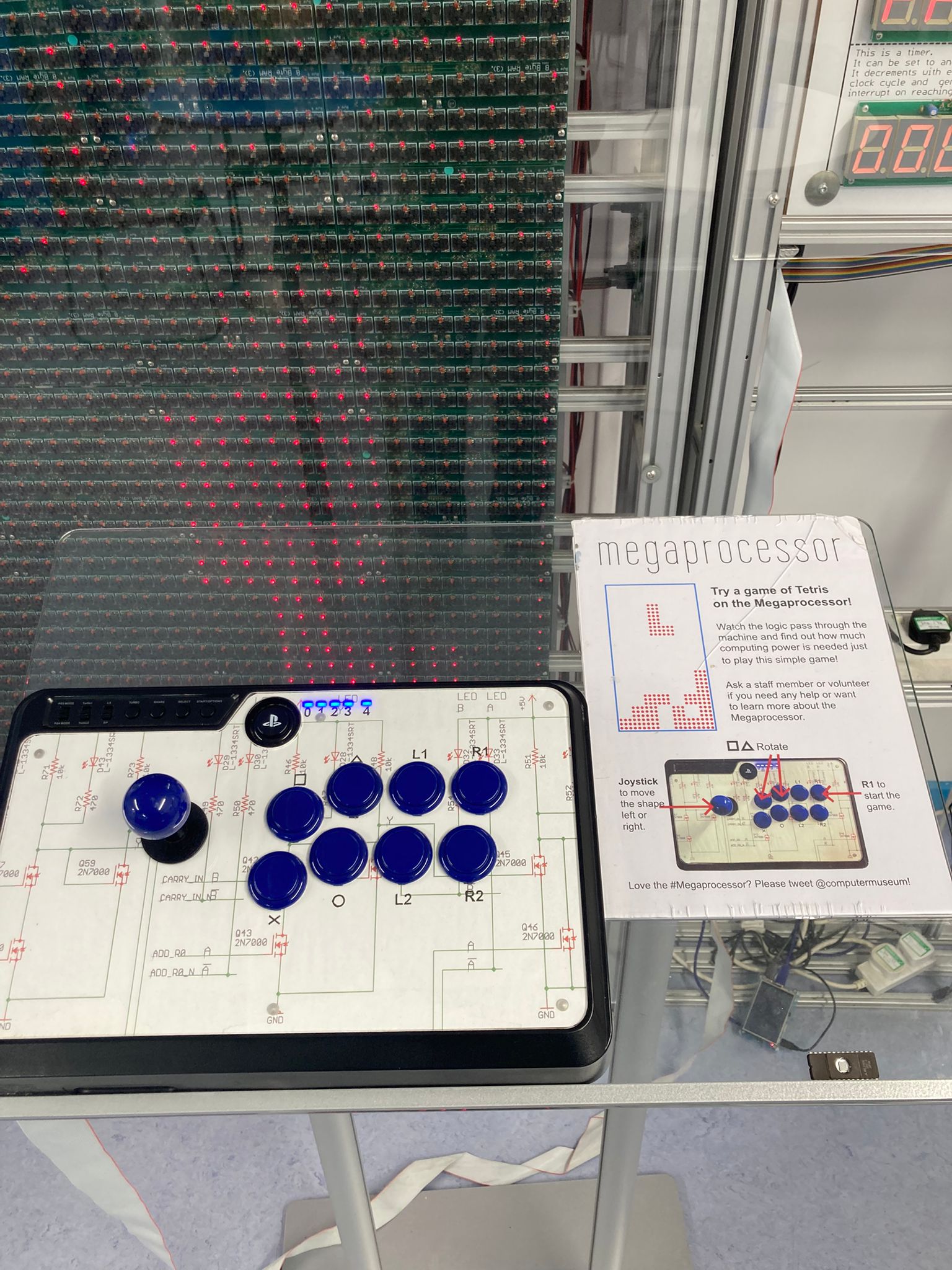
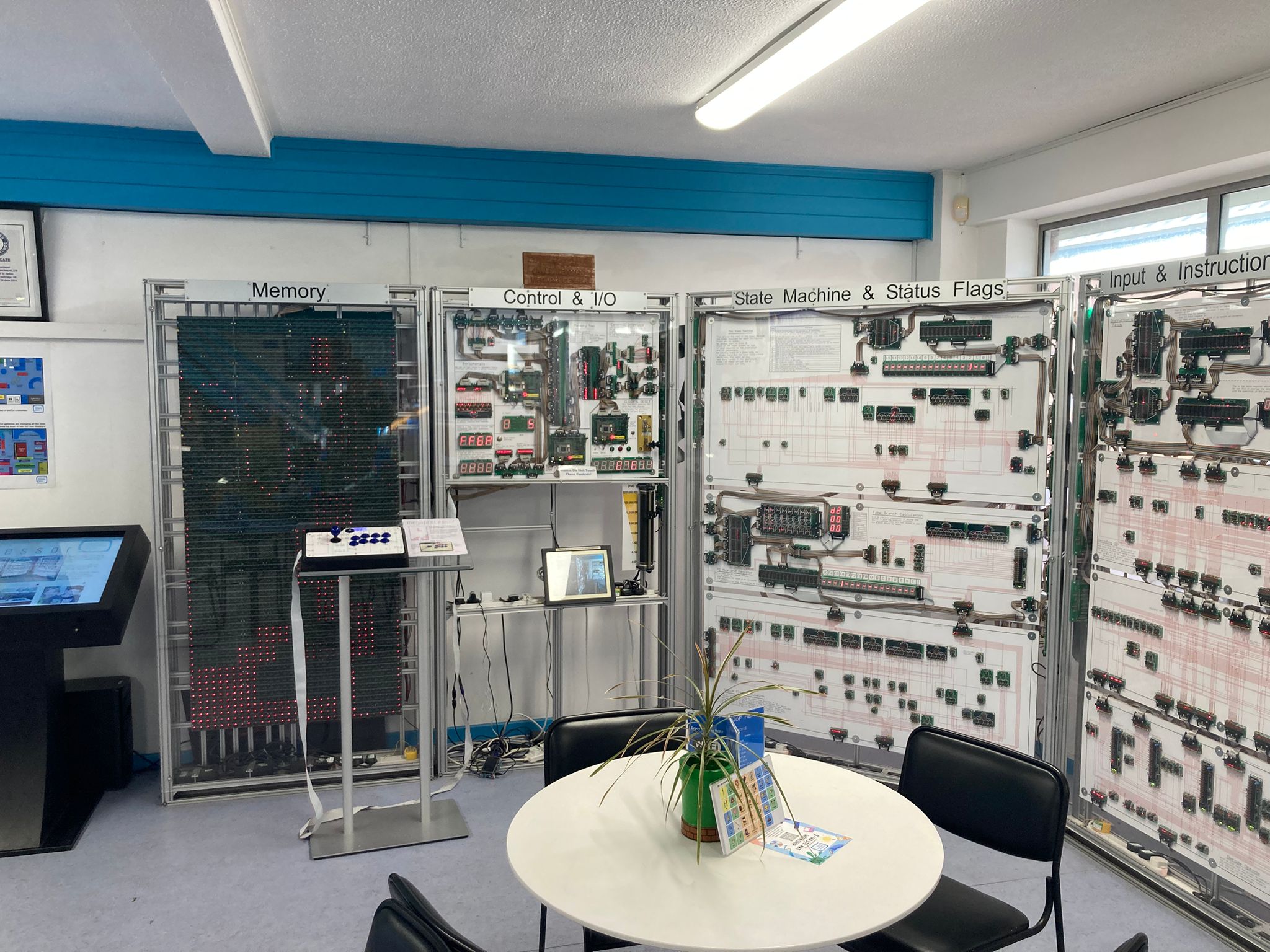
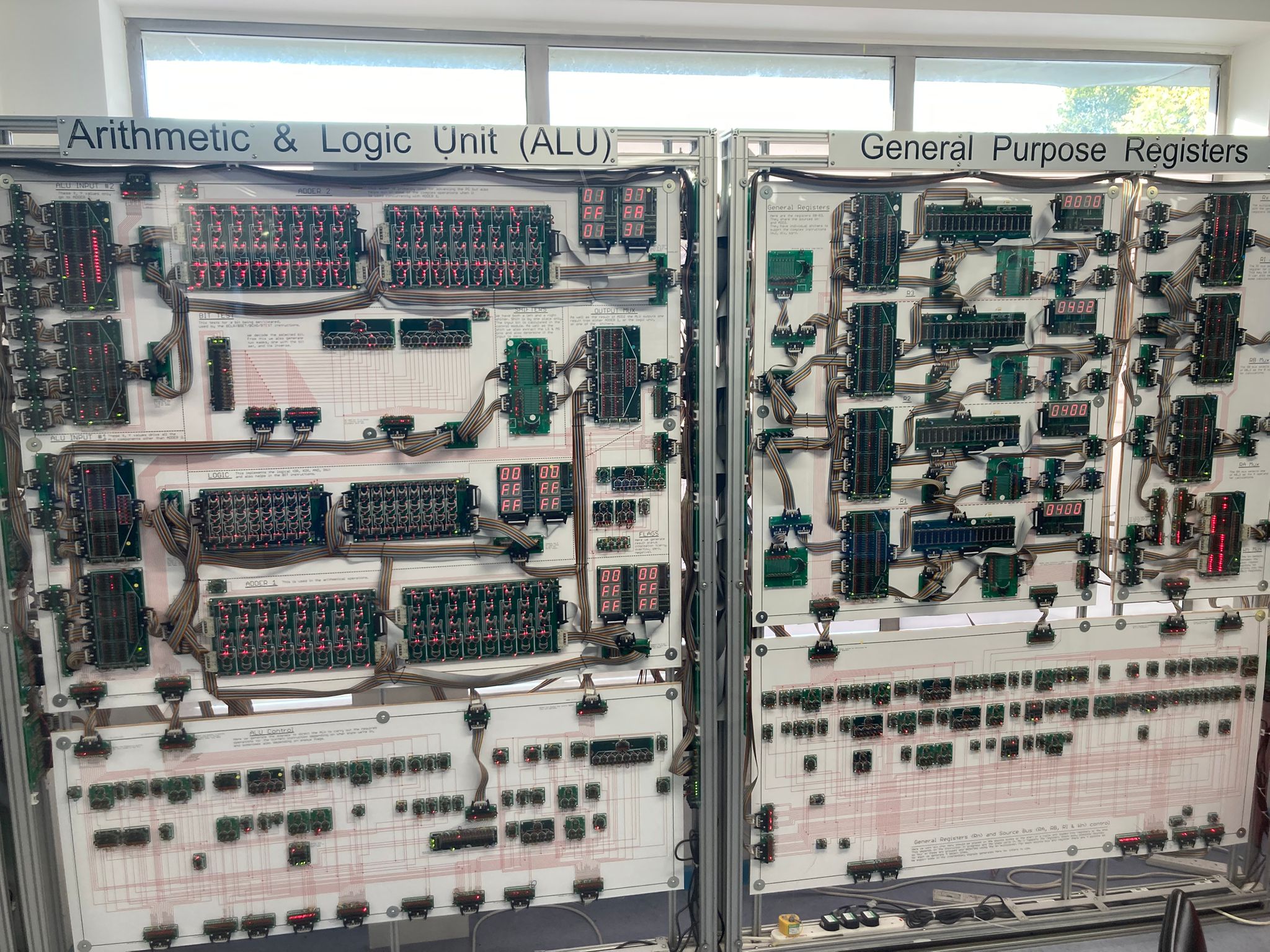
The real highlight: the museum is home to the enormous “Megaprocessor” (sometimes stylised “MegaProcessor”), described as the world’s biggest microprocessor. Wikipedia+1
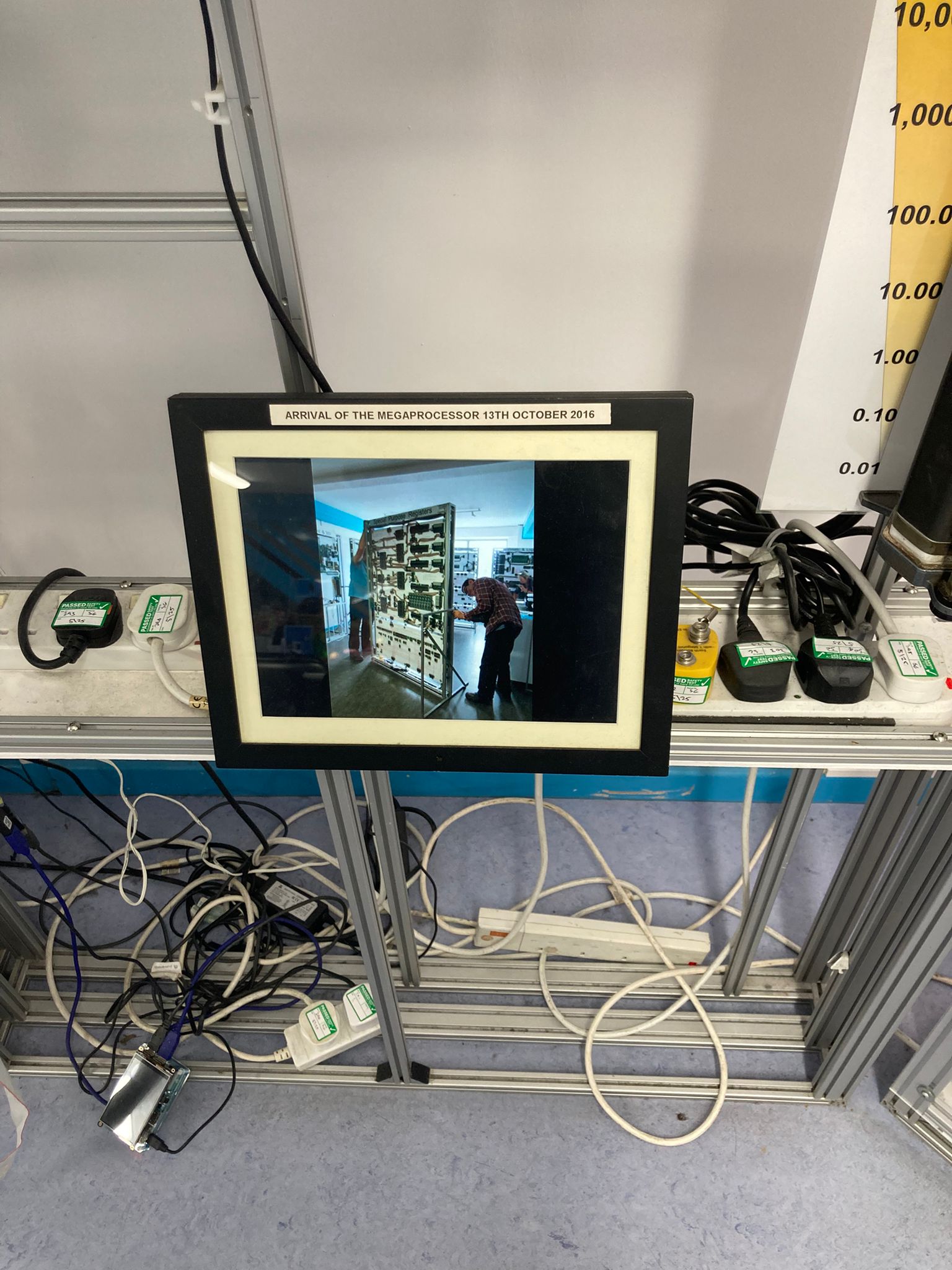
Seeing this massive piece of hardware was a genuinely memorable moment. Imagine a microprocessor magnified in size by many orders of magnitude — you can walk around it, inspect its components, see layers, wiring, and get a tangible sense of how from tiny chips the computing world exploded into what we have today.
It was both fun and humbling — fun, because there’s an obvious ‘wow’ factor in something so oversized; humbling, because it reminds you of the complexity and scale of what we often take for granted and how it all builds from fundamentals.
I found myself lingering there, taking photos, reading the labels, and thinking about the engineering that makes modern computing possible.
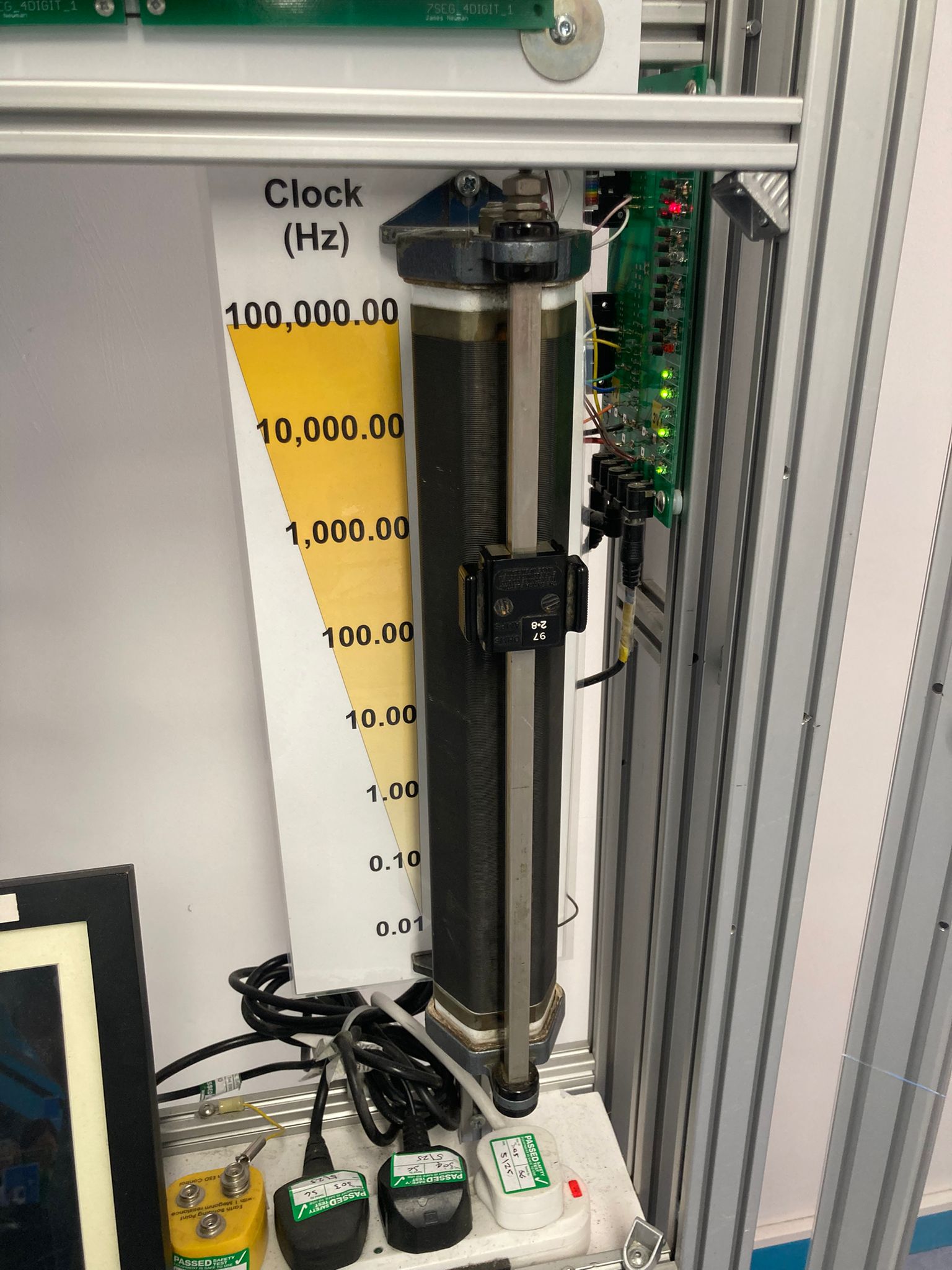
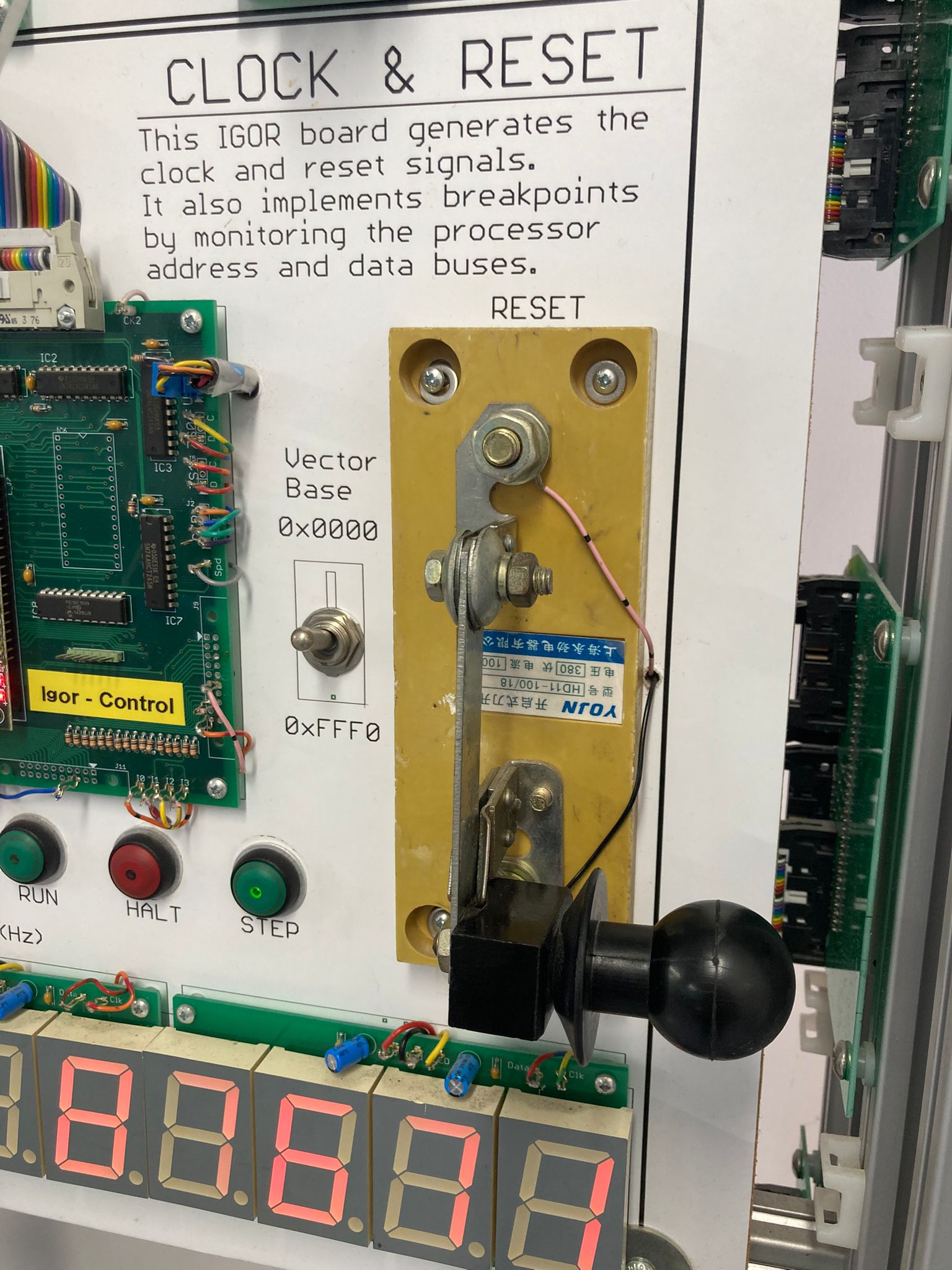
Something really awesome about this project is that there is an online simulator available! So yes, you too could compile and then run your hex file on this online.
I was interested in playing more with the interrupt logic as there is a great deal that can be visualised while doing this, but as the old MCU coding joke goes… It is sometimes rude to interrupt!
Final thoughts
My trip to the Centre for Computing History in Cambridge turned out to be more than just a nice rainy-day plan. It was a journey through time, a reminder of how far computing has come as well as a reminder of the tech complacency we are seeing with many many users having no idea what goes into tech stacks behind their end user experience and a moment of awe in front of something big (literally) that you wouldn’t normally get to see.
If you’re into tech, computer history, coding, retro gaming, or perhaps just want a unique museum experience in Cambridge, this one’s a winner.
Leave a Reply